

At the Steve Jobs Theater, on the morning of September 9, John Ternus showed a phone that closes like a passport. It was his first keynote as Apple’s chief executive, the event the company had called Surprise and Shine, and the product was the one people had spent years only talking about. Open, iPhone Duo is the thinnest iPhone Apple has ever made. Shut, it is small enough for a pocket. Ternus called it “the most transformational change to iPhone since the original.” The applause was the easy part. The questions started the moment the stream ended, and seven weeks later they are still the story.
This is that conversation, told from the morning Apple opened the phone to the decision sitting in front of anyone who wants one: who it is actually for, what the next year has to prove, and whether the honest move is to buy it or to let it pass.
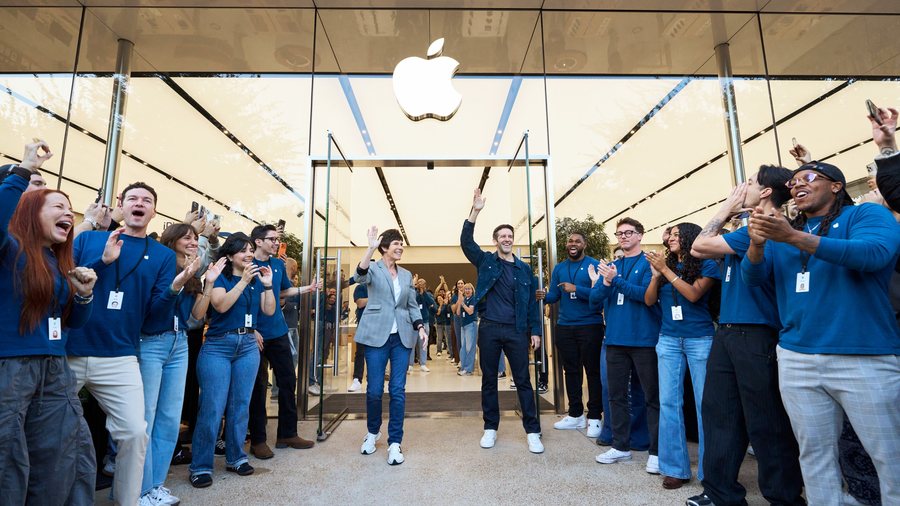
The morning it became real
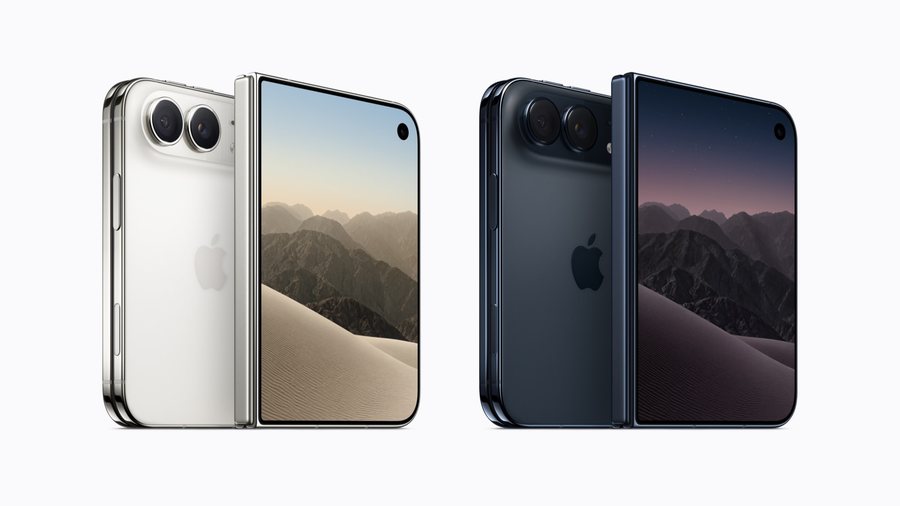
For years the folding iPhone was a rumor with a hinge. On September 9 it received a name, two colors, and a calendar. Star white or night sky. Pre-orders on October 16. In stores a week after that, on October 23. The price opened at $1,999 for 256 gigabytes and reached $3,199 for two terabytes. It is the most expensive iPhone Apple has sold.
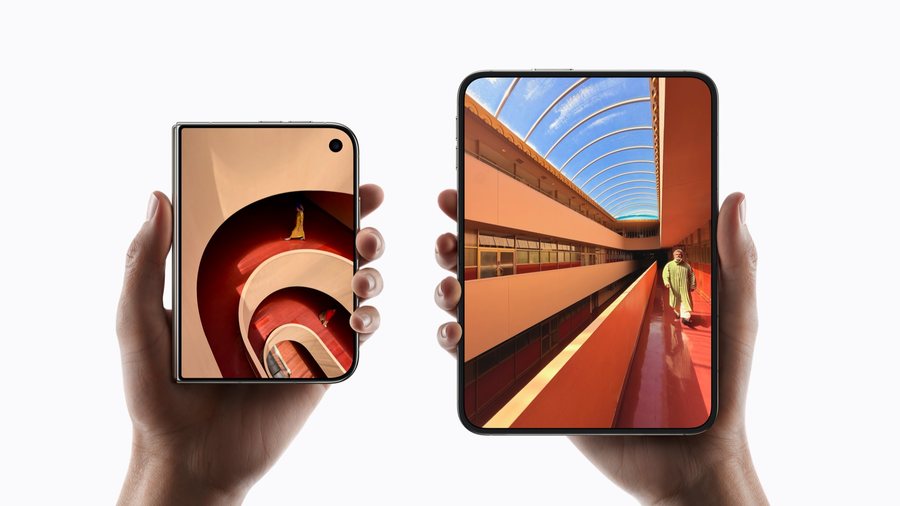
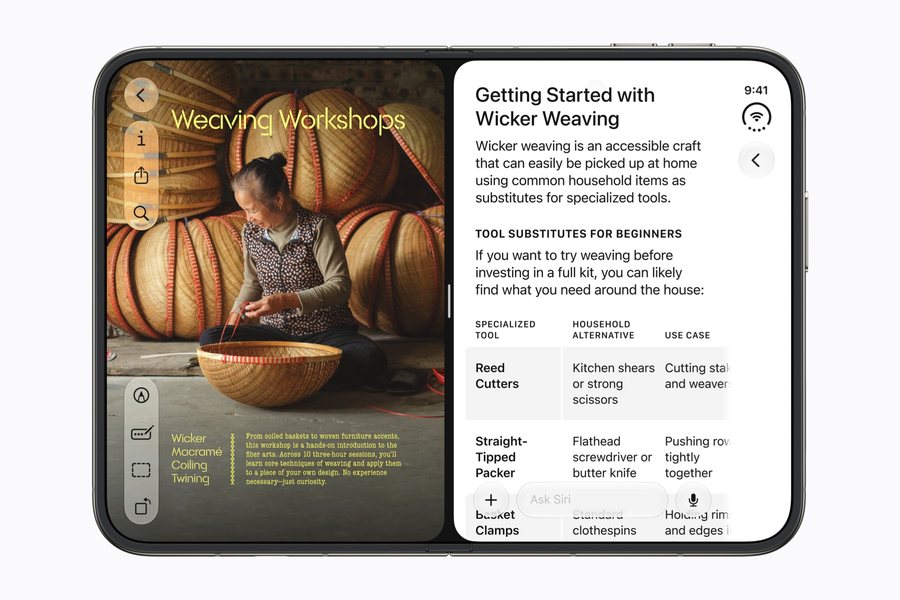
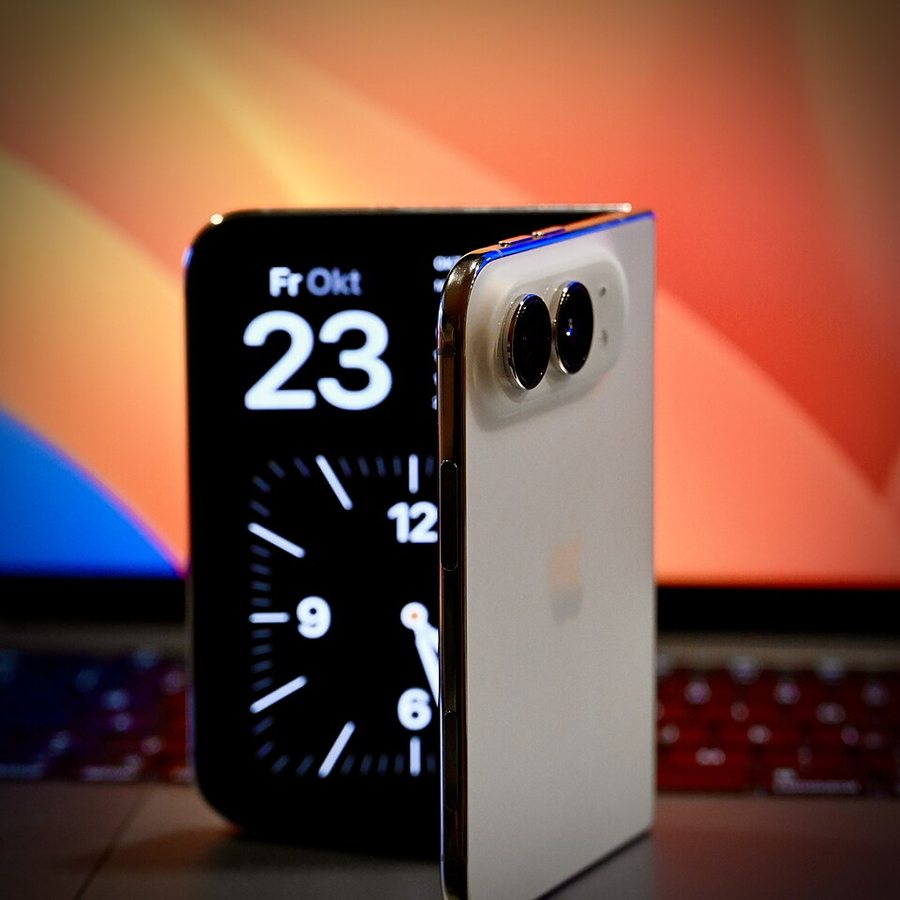
Under the number was a specific idea. Closed, a 5.4-inch screen, wide and short, which Apple says carries about ninety percent of the area of an iPhone 18 Pro. Open, a 7.6-inch screen, half again the size of an iPhone 18 Pro Max, for a film, a game, or two apps at once. Both screens share the same shape, so a picture does not stretch or jump when the phone unfolds. The inner glass is matte. Apple uses that nano-texture to cut the glare and, more to the point, to quiet the crease that has given every folding phone away. A hinge of more than a hundred parts is meant to stay where you leave it: flat, tented like a card, or half shut, the way a paperback sits on a table. Touch ID lives in the side button. The open phone is 5.2 millimeters thick, and the cameras that recognize a face do not fit. An Apple Watch can unlock it. Face ID itself is simply absent.
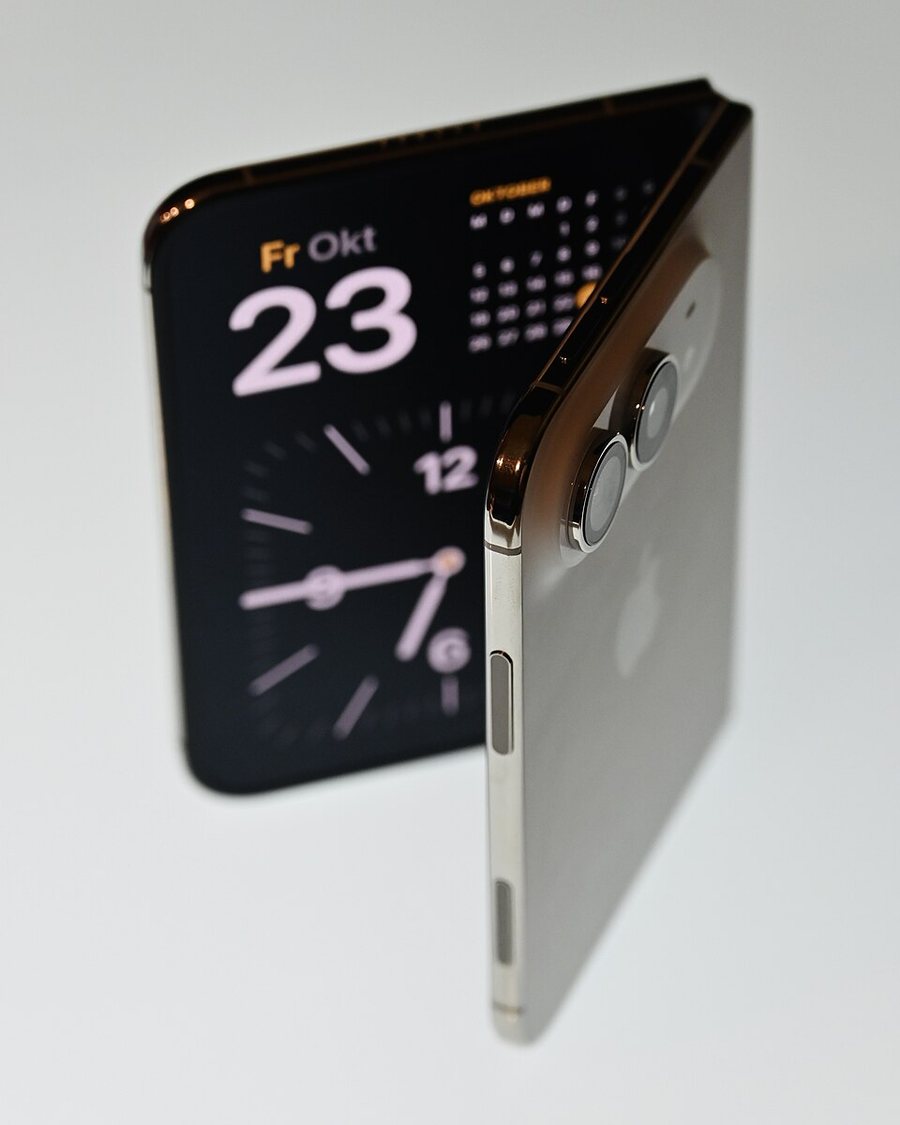
The camera was the other half of the promise, and it was less about sharpness than about the fold. The person being photographed can watch a live preview on the outer screen. A small animation, Kid Cue, plays there to lift a child’s eyes. You can take the selfie with the rear cameras, which are the better ones. Split View puts two apps side by side on an iPhone for the first time, when you hold the open phone the wide way. The new Siri, still in beta, can occupy one half of the glass while you look at the other. A Pencil for either screen was promised later this year. It was not in the box.
Taken together, it was a complete sentence. A phone that is also a small tablet, built so that opening it feels like continuing, rather than like switching devices. People who have watched this company for a long time recognized the tactic. Apple let the rest of the industry spend years teaching everyone how a fold can fail, then arrived with a matte inner screen, a dust-and-water rating of IP68, and software that assumes you will open the thing. The pitch was that the mistakes had already been made by somebody else.
The questions were already formed before any customer had slept next to one. If the closed screen is only 5.4 inches, can you live on it? If the phone no longer knows your face, what does the fiftieth unlock of the day feel like? If the price is the price of a phone and a tablet, which compromises are you paying to keep?
Who reached for one
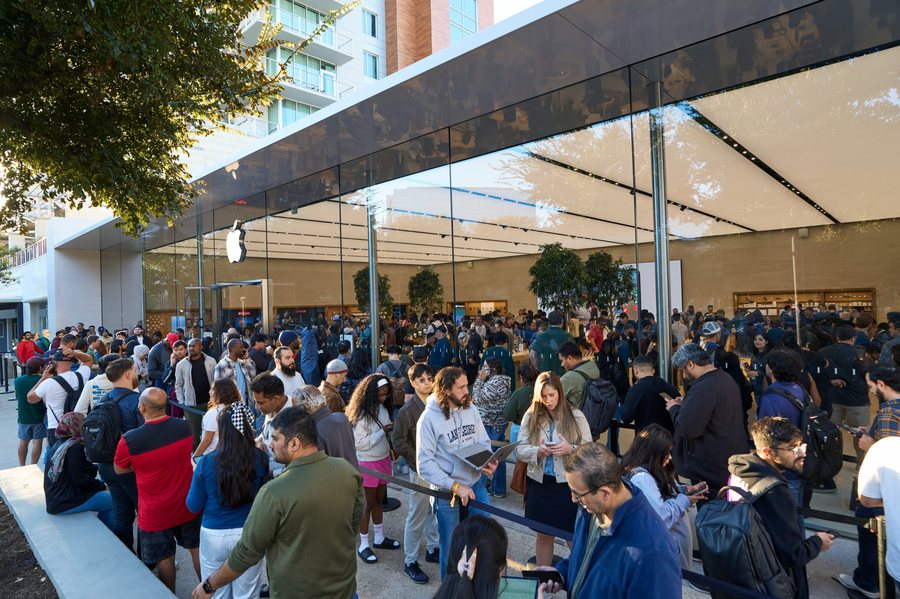
The people in this story are a narrower crowd than “everyone who uses an iPhone.” At the same event Apple showed the iPhone 18 Pro, the familiar object made a little better, and plenty of buyers heard the Duo’s price and went home with that. The ones who stayed are easier to recognize once you watch what they do with the fold.
Some have wanted a folding phone for years and were never going to leave Apple’s software to get one. For them the Duo is the permission slip. Reviewers who carried a unit into ordinary rooms noticed something slab phones stopped doing a long time ago: strangers ask what you are holding. At a wedding, the bride asked before the person taking the picture had finished raising it. You can set this phone on a table and nobody will mistake it for last year’s. That attention is a reason to want it. It is also a reason some people will never carry it.
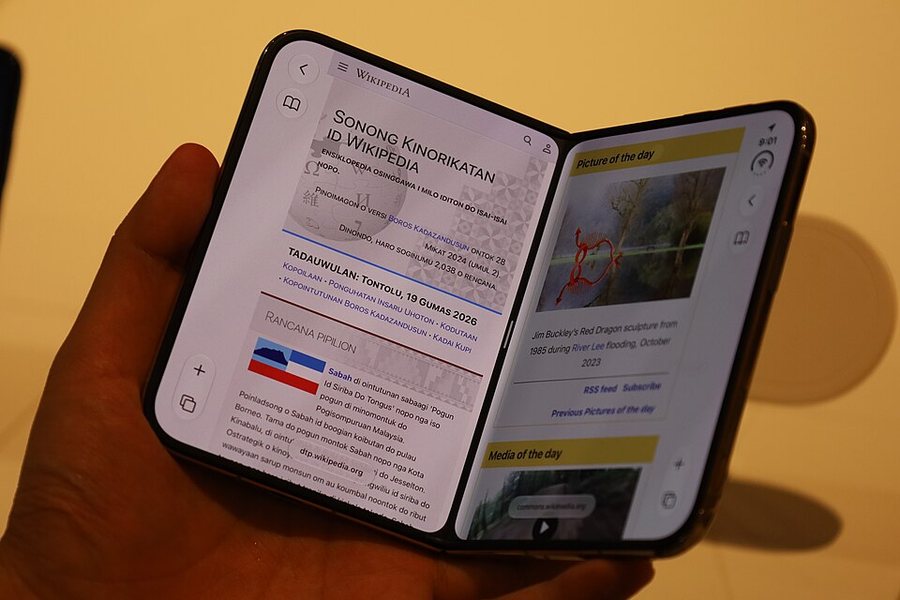
Others want the two windows. Messages on one side of the inner screen and a video on the other, on a commute. A spreadsheet you can read without chasing it. Notes that turn the lower half into a keyboard, so the phone sits up like a very small laptop. Travel keeps coming up in the reviews, because a pocket that opens into something you can actually work on is the entire argument, and a tray table is where the argument either holds or starts to feel like a trick.
Then there are the people who like a first version because it is unfinished. The iPhone has been the same gesture for years: you look at it, and it opens. A phone you have to learn again — which way is up, where the buttons went, the small wait before your finger lets you in — feels like an event. Early adopters have always paid for that feeling. Two thousand dollars is a steep price for a feeling, and they are paying it.
The demand showed up in the most Apple way available. Pre-orders opened at 5 a.m. Pacific on October 16. Anyone there in that first minute was promised a phone on launch day. By 5:30, every configuration on the U.S. store, both colors and every storage size, showed a delivery date of January 25. Apple described the demand as extraordinary. In-store pickup flickered on and disappeared within minutes. On October 23 the queues were real, and as the hours passed a lot of people who had simply walked in walked out with nothing. The reservation screen returned the next morning, across the U.S., Canada, and much of Europe, including Italy, and at many stores there was still no slot to take. Verizon apologized to customers whose tracking never appeared.
So the group that owns a Duo is smaller than the group arguing about one. A large share of the people turning it over are still waiting, or still deciding, with a January date sitting in a tab. The wait changes the conversation. Everyone else has time to read, and the phone has time to show what a launch weekend cannot.
The year it still has to get through
A week of reviews is a short life for a hinge. The public record already splits in a steady way. People who lived with the Duo admired the object: the way it closes, the hinge that holds an angle, the inner screen that does not announce its fold. They also came back with the same list of things the phone asks you to accept.
The closed screen is the one you meet first. Apple’s line about ninety percent of an iPhone 18 Pro is true as area, and it describes a different kind of day. The shape is wide and short. To recover a little height, the controls sit on the right edge. With the keyboard up, a text thread is a few lines. The thing you actually meant to do waits until you open the phone. Reviewers found themselves unfolding by instinct, then turning the phone, then looking for volume buttons that stay put unless you change a setting. Left-handed use is the same problem from the other side: the fingerprint button and the navigation live on the right. You feel the phone in your hand the whole time.
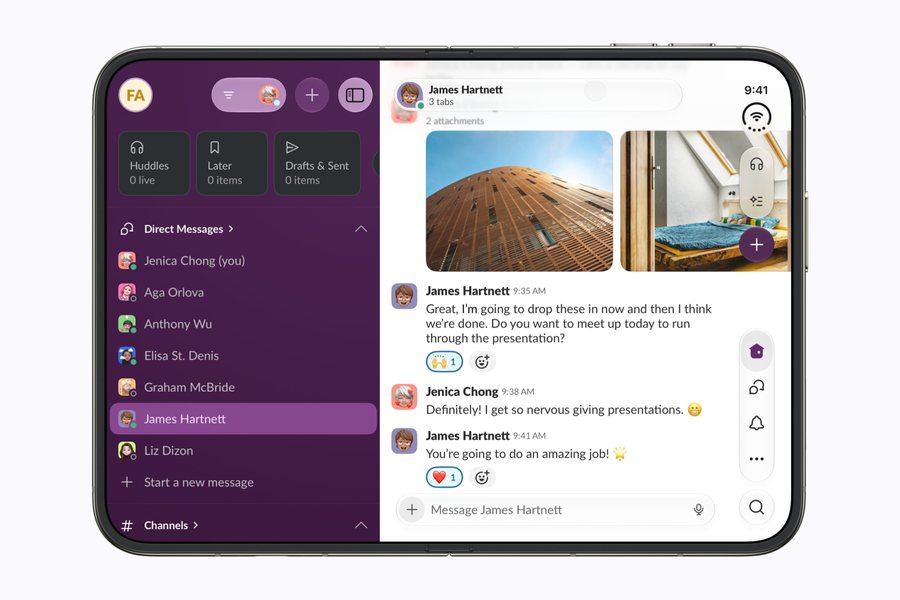
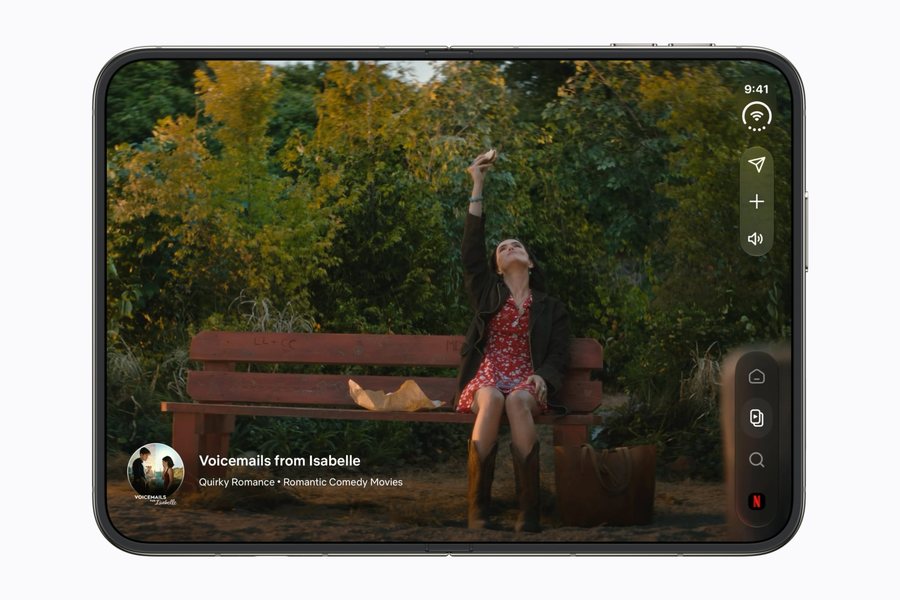
The apps are the chapter that is still being written, and they are moving. A Duo app, this month, is one of three creatures. It has never been updated, so it floats in the middle of the big screen with black bars, usable and slightly embarrassed. It has been stretched to fill the new system, and it covers the glass without quite understanding the fold. Or someone has written it for this shape: Netflix with a mode for the half-closed phone, Slack with the workspace actually in view, a video editor that becomes a timeline when the screen opens. Those updates are shipping in public, week by week. Apple’s bet is that the inner screen becomes the reason to own the phone once the software catches up. The outer screen will not grow in an update. That limit stays.
Face ID is the absence people mention in the first hour and again on the seventh day. Touch ID works. It also pauses, and the pause is deliberate. Apple has told reviewers it is there so the phone can wake and show the lock screen, the way a Mac does, instead of dropping you on the home screen. In a day of use it becomes a small tax, especially with wet hands, cold hands, or the hand that is not next to the button. An Apple Watch restores something closer to the old habit: raise the phone, swipe, go. Paying is where people miss the glance. You put a finger on the button. You do not look at a reader and walk on. Phone reviewers split, cleanly, between those who still mind after a week and those who say a week was enough. The Duo remains the first iPhone in a long time that does not know your face.
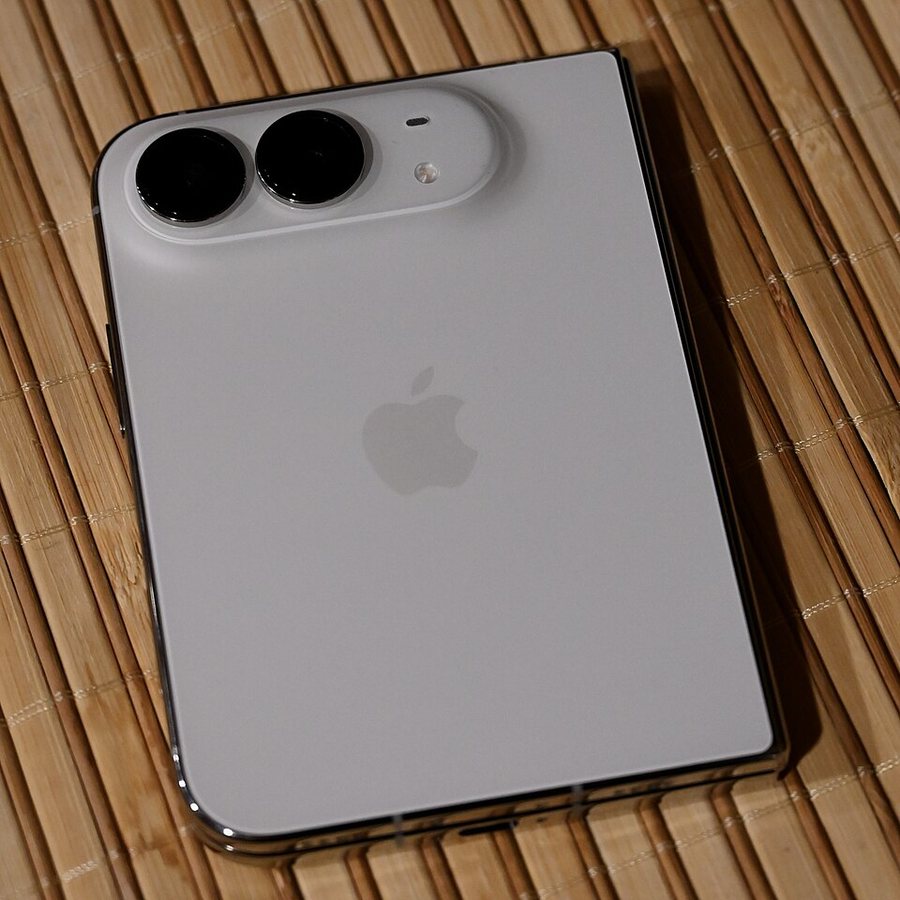
The camera is the other bill that comes with the price. There is no separate telephoto lens, only a two-times crop from the main camera and a digital reach beyond that. The pictures are good. Reviewers place them near an iPhone 17, or near the thinner iPhone Air, which is a kind compliment until an 18 Pro is in the same pocket, with a stronger sensor and a lens that actually reaches. The camera under the inner screen is for a FaceTime call in decent light. The fold’s real camera gift is the theater around the shot: the preview facing the subject, the automatic frame when people settle into a pose, the phone standing on a table as its own small tripod. Those are worth having. They are a different purchase from the best iPhone camera. On a two-thousand-dollar phone, that difference is the whole argument.
Durability is where the tone shifted after the doors opened. Within hours of October 23, owners posted pictures of inner screens split along the hinge, a bright line, sometimes a dark spot where the damage began. Apple’s reply was short. Early users have responded warmly, developers are updating their apps, and an issue is affecting the inner display on a small number of units. If it happens, AppleCare will replace the phone. Alex Kirschner, speaking for Apple, told The Verge that most units are not susceptible, and that the faulty ones reveal themselves quickly. iFixit took one apart and offered a plausible picture: the soft inner panel meeting a hard piece of the hinge, a bad neighbor for a display that a sharp tool can ruin. Apple has not confirmed that account, and it has not recalled the phone. A replacement has to come out of the same thin supply everyone else is waiting in.
Time is what separates a rough first batch from a design that keeps failing. If the cracks stay rare and early, the story ends as a bad draw and a new unit. If the same line is still appearing in January, on phones that were fine at Christmas, it has stopped being an anecdote. On the last day of October, nobody outside Apple can close that question.
The rest of the future is already being talked about as a wish list. A Pencil, later this year. Apps that stop looking lost on the glass. And, in the reporting on whatever comes next, attempts to put Face ID back under the outer screen. There is no date in that reporting that a buyer can take to a store. What it shows is that the complaint has already reached the building. Talk of a Duo 2 is a way of asking whether this model is the product, or the prototype you are allowed to purchase.
Heat and battery sit in the same unfinished pile. Apple’s own numbers are generous: long hours of video, longer if you stay on the small screen, a day if you split your time. People who lived on the inner display — video, maps, the camera features that light both screens — sometimes wanted a charger before evening, and they could feel the phone warm up. Others got through an ordinary day with charge left. One test that kept the large screen busy until the battery died put the Duo a little past thirteen hours, ahead of Samsung’s Galaxy Z Fold 8 and well short of an iPhone 18 Pro Max, which ran past seventeen. The vapor chamber helps. A thin body driving two displays is still negotiating with physics.
Next to the Fold 8, the choice gets sharper, and it is the comparison a lot of buyers are actually making. Samsung’s phone is lighter and thinner when shut. Reviewers weighed the Duo at 254 grams, against about 201 for the Fold. Samsung will run more than two apps on the inner screen. Apple’s hinge holds angles the wide Fold does not, the dust rating is higher, and the software is the software these readers already live in. The Fold starts about a hundred dollars lower. They are two answers to the same want.
Buy it, or let it pass
The threads never settle on one verdict because the phone is serving different wants. Three of them cover almost everyone still deciding.
Buy it if the object itself is what you wanted. A pocket that opens into a screen you can work on, inside the software you already use, with a hinge and a matte display that even the skeptical reviews keep calling the best-built fold they have held. If that is you, a January delivery date is an annoyance with a side effect: a few more weeks in which the apps get less lost. Launch-day stock was a lottery. Walking into a store this week may still be one. Wanting a Duo and receiving one are, for now, separate projects.
Wait if your objections are the ones a later model can actually answer, and you can stand to keep the phone you have. Your face, instead of your finger. A real telephoto lens. A lighter body. A screen with a year of ordinary pockets behind it, so the cracks are either a closed chapter or a reason to stay away. Those are fair things to wait for. The wait is measured in generations, from everything said in public so far. Waiting through Christmas, to see how the hinge behaves, is reasonable. Waiting for a perfected Duo means being at peace with your current iPhone for a long time, while other people find out whether the fold was the mistake.
Leave it if what you wanted was an iPhone 18 Pro that feels new. The Duo will disappoint that hope on purpose. The closed screen is for a glance. The camera gives ground to the Pro. The lock screen stays locked until a finger arrives. It is heavier than the folding phone beside it, and far heavier than the idea of a phone you forget. Two thousand dollars here buys a beginning. If your days are messages, photos, and the train, the slab is still the calmer instrument, and a month on a nightstand will make that obvious.
The calendar has already answered one practical version of the question. If the order was meant to be a present, the U.S. store settled it at 5:30 a.m. on October 16, when Christmas slipped out of the delivery estimate. A lucky pickup can still happen. It is a poor plan.
A last word
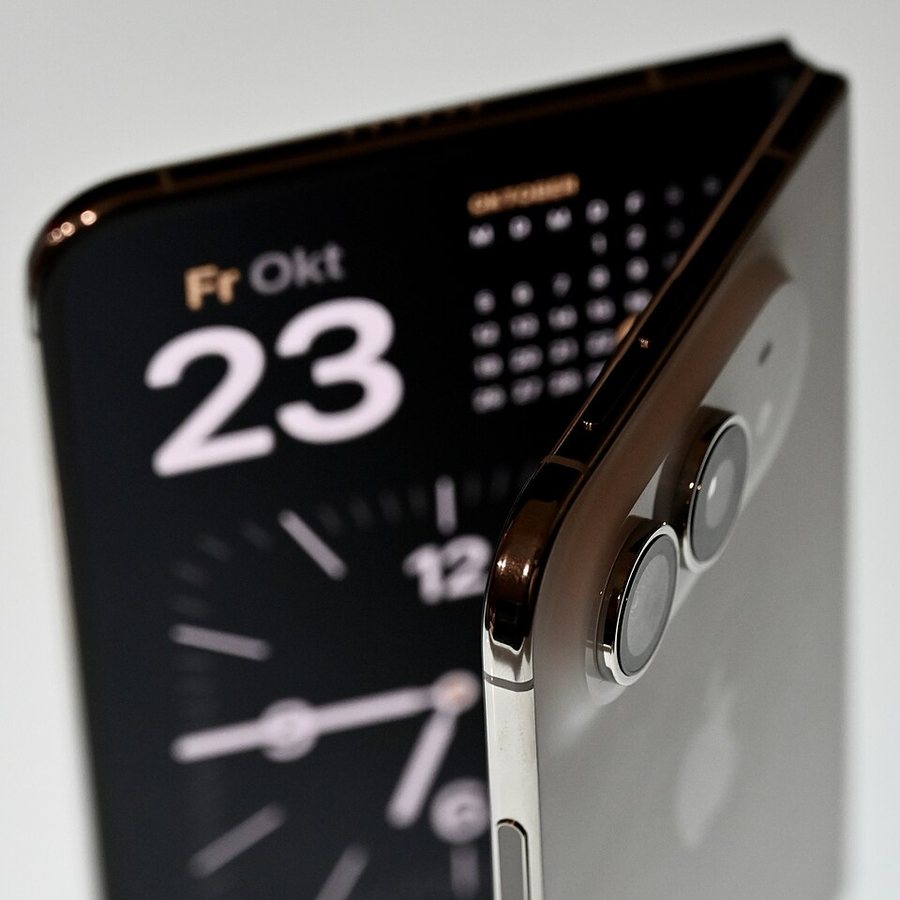
The Duo is the first iPhone in years that makes a stranger interrupt you. Phones became quiet because they succeeded, and a quiet phone is a phone you trust. Apple spent a decade protecting that trust. Opening it again is the interesting decision, and the risky one.
What shipped is a coherent idea. One shape, open or closed. A hinge that stays. A crease you mostly have to go looking for. Software that would rather you unfold the phone than pretend the cover is enough. The compromises are in the open, and several of them were chosen: no face unlock, a cover screen that pushes you inward, a camera that is good and stops short of the flagship, a price that starts where other companies end their best phones. Then a small number of inner screens failed along the fold, and Apple said so, and told people to call.
The question under the smaller ones is whether you want to live in a beginning. If you do, the phone is already what the early weeks describe: the most convincing fold yet, and a first generation in every way that phrase still matters. If you want the version where your finger is no longer the key, and the screen has survived a year of pockets that are careless, keep the iPhone you trust. Let this one grow up in other people’s hands.
Either choice is a real answer. Seven weeks after the morning it closed like a book, the Duo’s particular talent is that it will not pretend to be a smaller one.
The final question
And if the next version fixes the cracks, restores your face, and still asks two thousand dollars: will you want the beginning you skipped, or will the slab have won you back?
I like it