

For years, Siri was the assistant you apologized for in public. You asked for a timer. You asked for the weather. When it failed, you laughed and typed. Then, this autumn, the same button started remembering the restaurant it recommended last week, reading the photo someone sent in Messages, and answering questions about the screen you were looking at. Apple calls that Siri AI. The curious part is not that it got smarter. It is that the phone in your pocket now has an opinion about your life, assembled from the places you already live.
This is the conversation that has followed the update into kitchens and group chats: what Siri is allowed to see, what Apple will let you hide, and whether a more useful assistant is worth a more intimate one.
When the assistant learned your name for the rest of the week
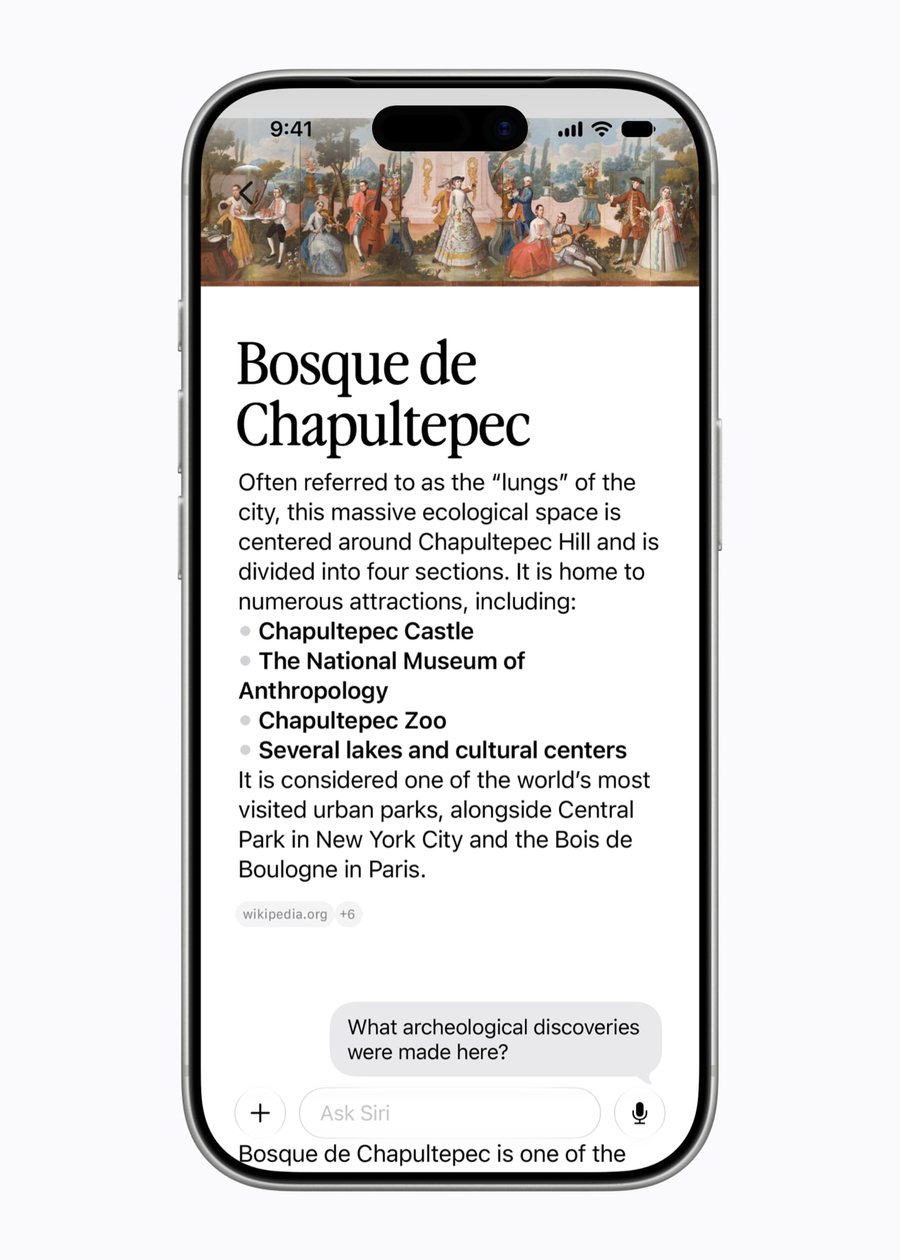
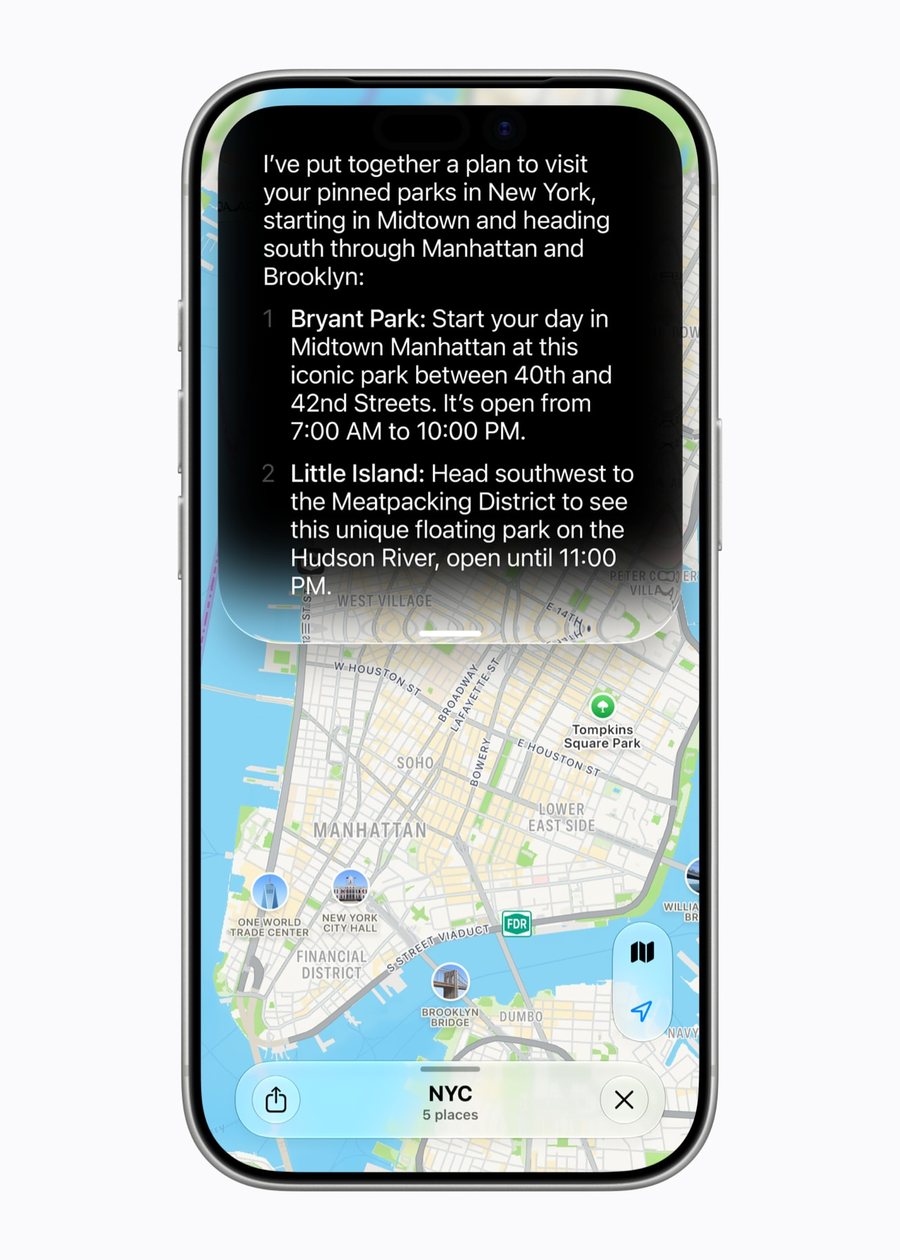
Siri AI was not a quiet software patch. Apple showed it in June at WWDC as a rebuilt assistant, powered by the next generation of Apple Intelligence, and promised something the old Siri never convincingly delivered: personal context. It would search messages, mail, photos. It would act across apps. It would notice what was on the screen. A dedicated Siri app would keep the conversation going, syncing privately across devices with iCloud.
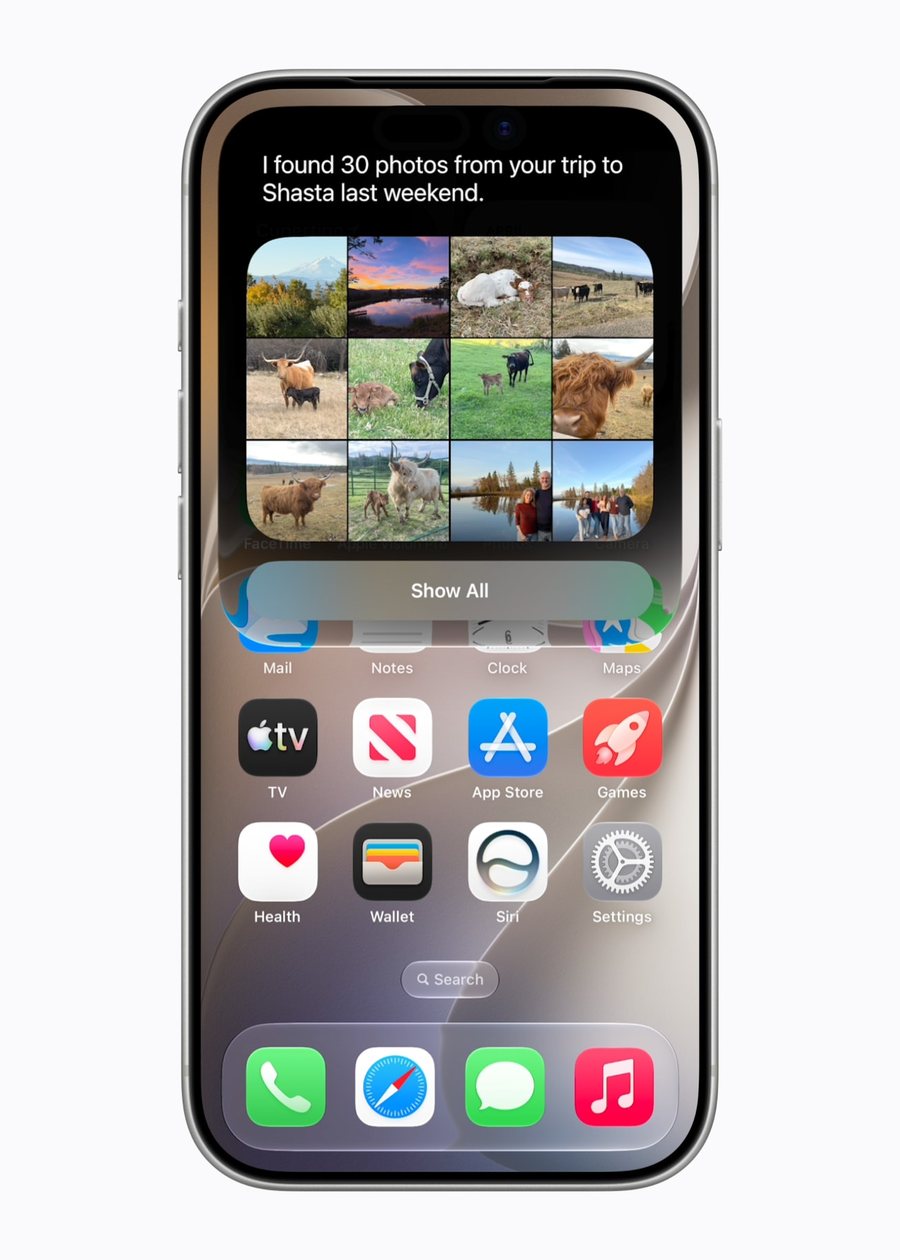
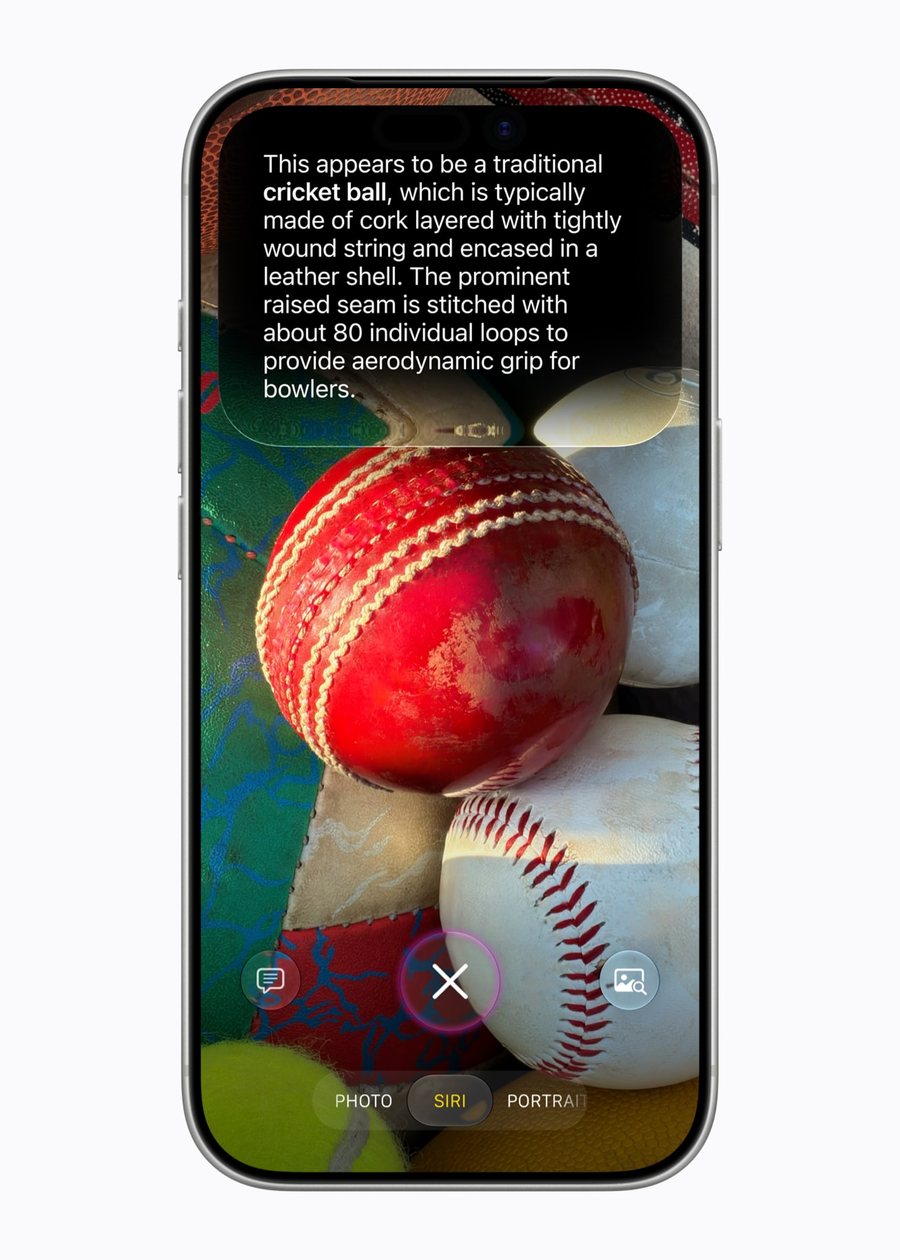
In September, with iOS 27, the beta began rolling out in English. On October 26, iOS 27.2 widened the circle. French, Japanese, Korean, Portuguese, and Spanish joined the beta. More languages — Traditional Chinese, Norwegian, Turkish, Vietnamese — were promised before the year ends. The same update gave Siri a memory of past chats, and a longer list of places to look: photos attached in Messages, who is on a Calendar invite, voicemails, Safari history, Reading List.
Apple’s line has been consistent. Siri AI is more capable and more personal, “without compromising users’ privacy.” Private Cloud Compute is the technical promise behind the harder requests: personal data used to answer, then not kept for training or browsing by staff. On the device, Apple Intelligence does what it can. Off the device, the company says the design is meant to behave as if the cloud were still your phone.
That is the sales pitch. The lived experience is simpler. You ask a question the way you would ask a person who has been sitting next to you all day. Sometimes the answer is uncanny in a good way. Sometimes you feel the room get smaller.
Who opened the door, and who stood in it
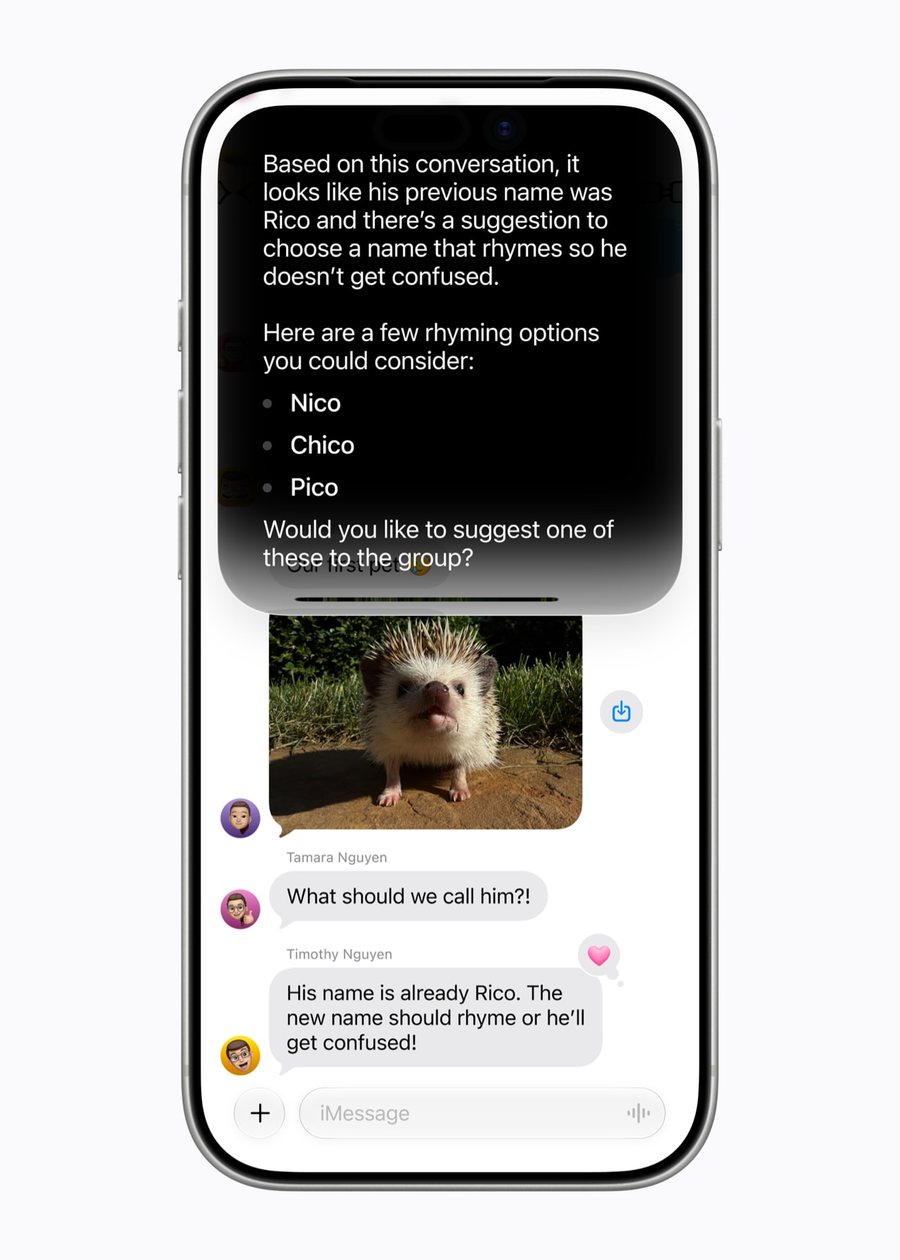
The people who like Siri AI tend to describe the same relief. They stop hunting through threads for an address. They ask what that blurry photo in Messages was. They turn a casual invitation into a calendar entry without leaving the conversation. On a Mac or an iPhone that already holds their day, an assistant that can see across apps feels less like a stunt and more like catching up.
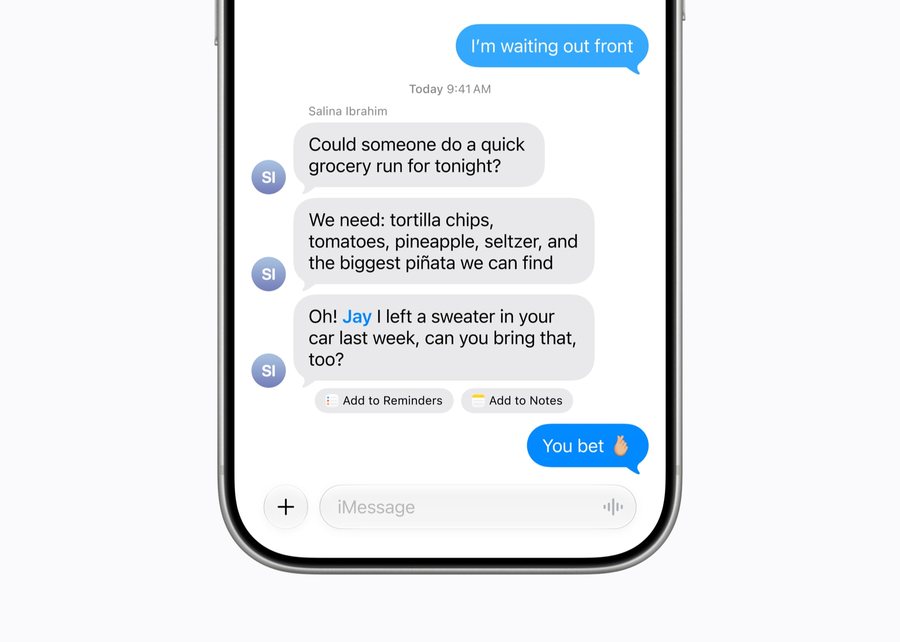
Another group is quieter, and more careful. They use Signal. They keep work and family in separate apps. They remember that end-to-end encryption means little if an assistant can still look at the screen and send a copy of what it sees into a processing pipeline they cannot watch. The Electronic Frontier Foundation spent the year asking for a clear way to wall apps off from Siri AI. In September, the controls were there but scattered. With 27.2, Apple put them in one place: Settings, Siri, Excluded Apps. Add an app, and Siri, Search, and suggestions are supposed to leave it alone. Onscreen awareness stops working for that app too. Features vanish. That vanishing, the EFF noted, is the proof the wall is real.
There is a third group that does not appear in the press release. They live in the European Union, or in mainland China, where Siri AI is not available on iPhone. In Europe, Apple says it is still talking to regulators. In China, Apple Intelligence is finally scheduled for December with iOS 27.3, with Alibaba’s Qwen answering some requests inside Siri and Writing Tools — but not with the new Siri AI itself. The personal assistant that remembers your week is, for now, a feature of some maps and not others.
So the curiosity is uneven. In one country, people argue about how much to exclude. In another, they are still waiting to meet the thing everyone else is arguing about.
What the setting cannot settle
Excluded Apps is a good answer to a specific fear. It is not a full answer to the larger one.
Siri AI still has to decide, request by request, whether the work stays on the phone or goes to Private Cloud Compute. There is no bright light on the Lock Screen that says which path you just took. Apple publishes reports and papers. Most people will never read them. They will ask a question in the car and trust the brand that has spent a decade selling privacy as a product.
ChatGPT, if you turn the extension on, is a different road. Apple asks first. Sign in to an OpenAI account and the terms change again. That path is optional. The personal context inside Apple’s own apps is the default gravity of Siri AI, and that is where the argument lives.
Memory makes the argument sharper. An assistant that forgets every session is rude. An assistant that remembers last week’s restaurants is useful. An assistant that remembers in a way you cannot easily audit is a new kind of roommate. Apple says conversations sync privately with iCloud. Users will decide, one household at a time, whether that sentence feels like a lock or a key.
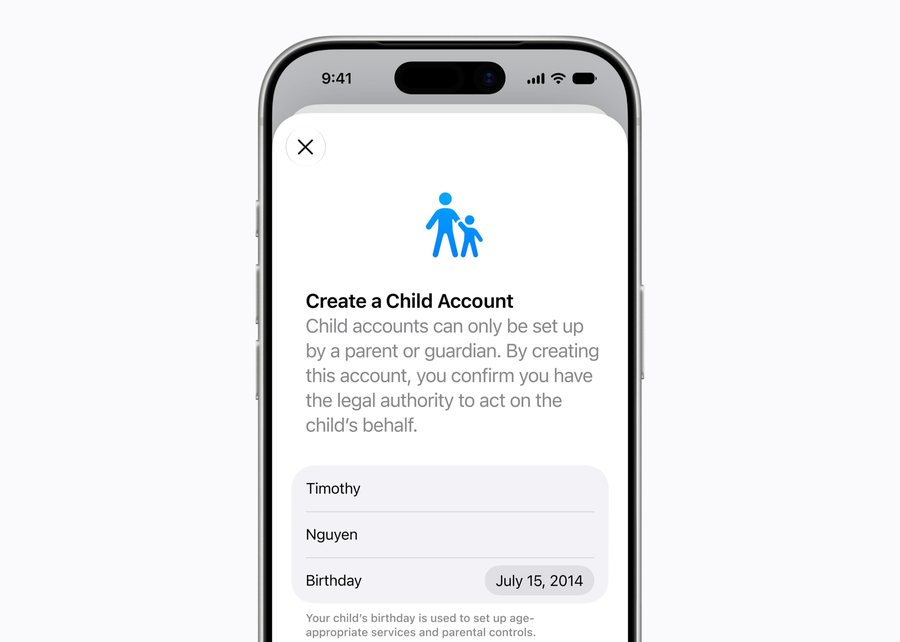
Parents have their own chapter. iOS 27 arrived with stronger child-account tools. Siri AI is not available under thirteen. The rest of the family still has to choose what the shared iPad is allowed to overhear.
And then there is the simple exhaustion of settings. Excluded Apps is clear. It is also a list you have to maintain. Every new messenger, every new notes app, every workplace tool is another decision. Privacy that depends on perfect housekeeping is privacy that frays.
Live with it, fence it, or wait
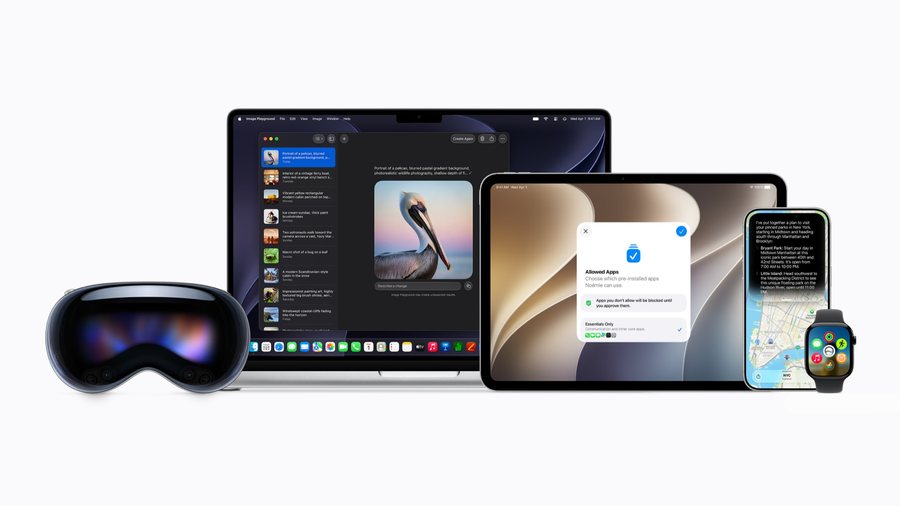
If your days already spill across Messages, Mail, Photos, and Calendar, and you want an assistant that can keep up, Siri AI is the version of Siri that finally tries to meet you there. Learn where Excluded Apps lives. Put Signal on the list if you need it there. Leave Messages alone if the convenience is the point. Check what happens when you ask about something on screen. The product teaches its limits quickly.
If the idea of an assistant that can see a chat thread makes your shoulders rise, you do not have to perform enthusiasm. Turn Siri AI off and keep the older Siri. Or keep Siri AI and exclude the apps that hold other people’s secrets as well as your own. The feature cost is real. That is the bargain working as advertised.
If you are in a region where Siri AI has not arrived, the wait is not a personal failing. It is a map of law and product timing. You can still watch the argument from outside, and decide in advance which apps you would fence before the assistant shows up.
What you should not do is pretend nothing changed. The update of October 26 was not a new skin for a timer. It was a claim on context.
A last word
Phones became intimate long before they became conversational. Siri AI only makes the intimacy speak. Apple’s bet is that people will love the help enough to accept the reach, and that Private Cloud Compute plus a settings page will keep the trust from breaking. The EFF’s bet, and the quiet bet of a lot of users, is that a single excluded-apps list was overdue.
Both can be true at once. The assistant is better. The questions are heavier. Seven days after iOS 27.2, the interesting part is no longer whether Siri can find a restaurant. It is whether you still want it to know why you asked.
The final question
When your phone can remember last week and read the thread you are staring at, what do you exclude first — the apps that hold your work, the apps that hold your family, or the habit of asking at all?