

For almost two years, Apple Intelligence lived in a map with a blank space where China should have been. The features shipped in the United States in 2024. They spread through other languages and regions. China stayed dark — not because the phones were different, but because the models Apple leaned on elsewhere were not welcome there, and Beijing’s rules for generative AI do not bend for Cupertino branding.
This week that blank started to fill in. Not with the same stack people use in California, and not with the full Siri AI story that has been dominating Western betas. With a partner. With Alibaba’s Qwen. With a developer trial in iOS 27.3 that Apple says the public will get in December.
The delay was the story
Apple Intelligence was never only a software update. It was a bet that useful AI could run close to the person — on the device when possible, in Private Cloud Compute when not — without turning every request into someone else’s training data. That bet depends on which models you are allowed to call.
In most markets Apple could pair its on-device tools with services that already existed in its orbit. In China, Google and OpenAI are not a dial tone. Local rules ask for licensed partners, local data paths, and approvals that take time. Apple spent that time talking to Chinese firms. Reports named Baidu, ByteDance, Tencent. The partner that made it to the launch notes is Alibaba, through Qwen.
July brought regulatory clearance. November brought the first beta that Chinese developers can actually switch on. The wait was not a marketing pause. It was the cost of putting Apple’s brand on AI that has to satisfy a different government.
What ships first
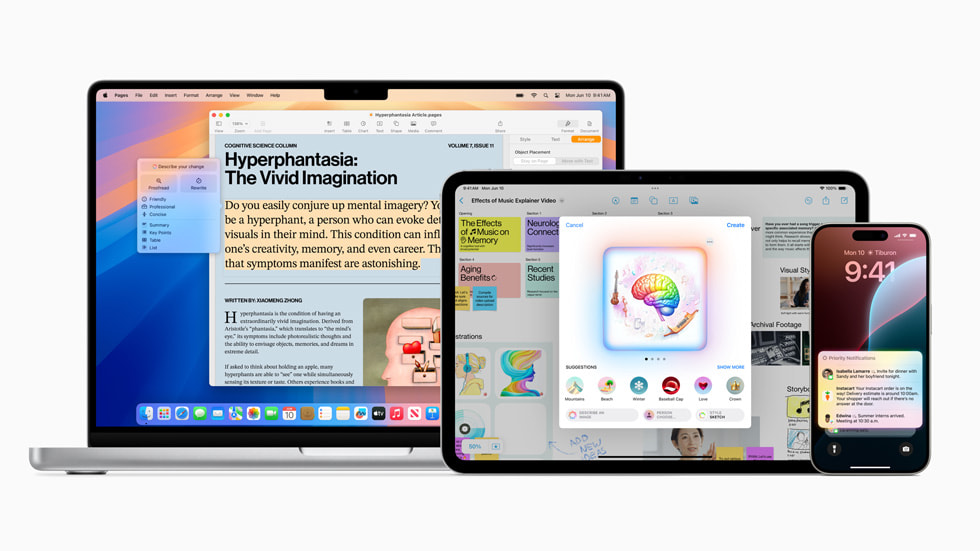
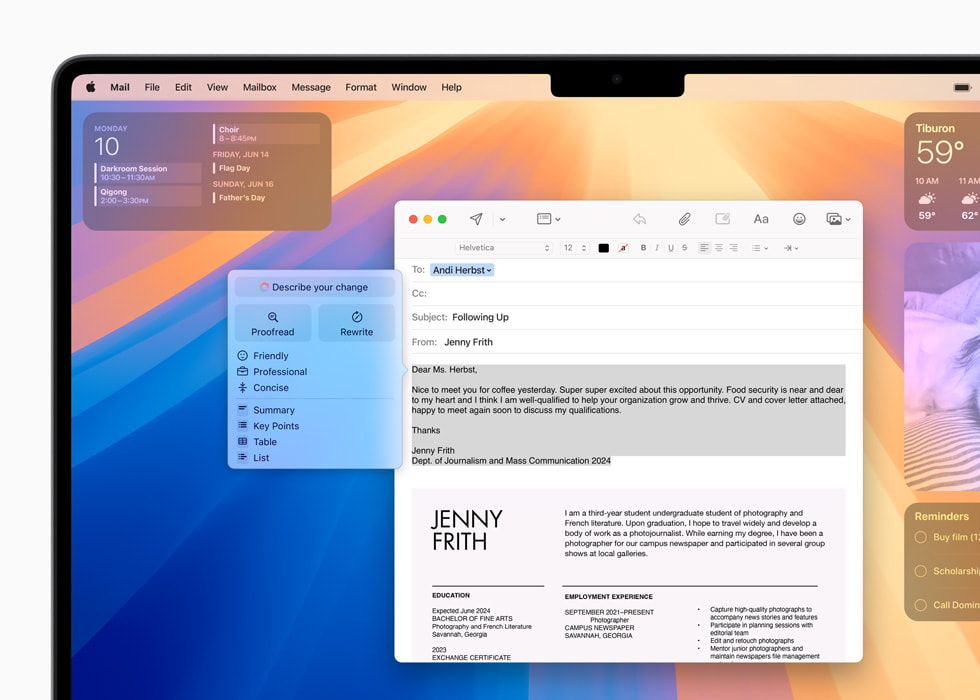
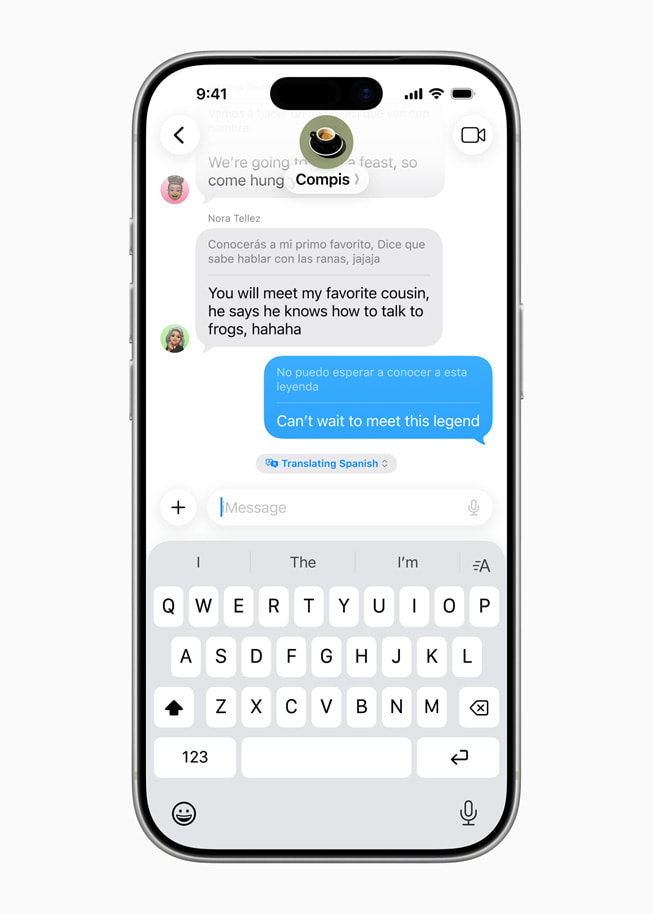
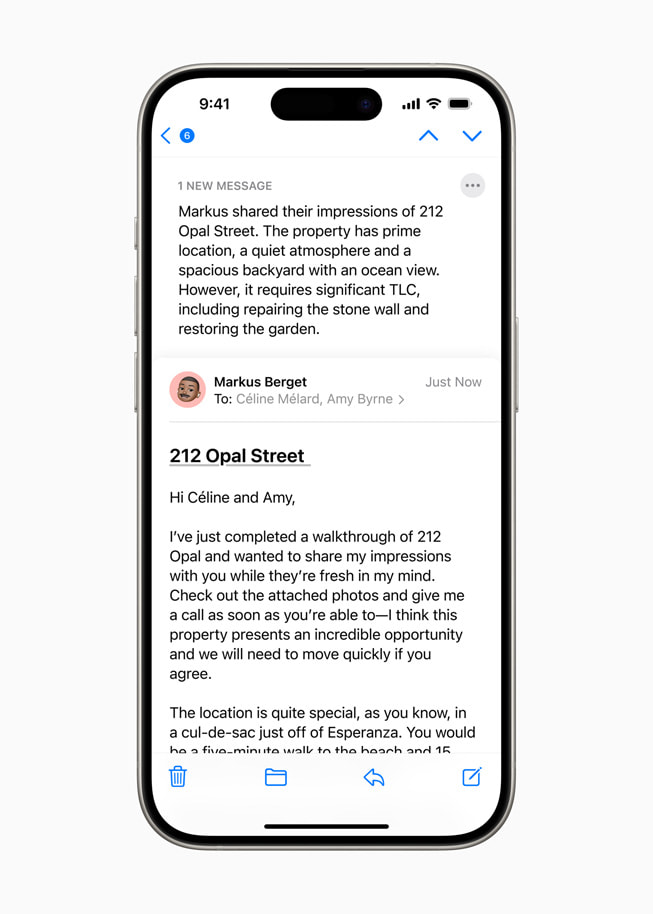
The first wave is practical rather than theatrical. Live translation in Messages, FaceTime, and Phone — including on recent AirPods. Writing Tools that rewrite, proofread, and summarize, with Qwen able to generate text as well. Visual Intelligence for objects and places. Clean Up in Photos. Genmoji. Natural-language search and memory movies in Photos. Mail summaries and smart replies. Notification summaries and quieter Focus modes. Transcripts and recording summaries that land in Notes.
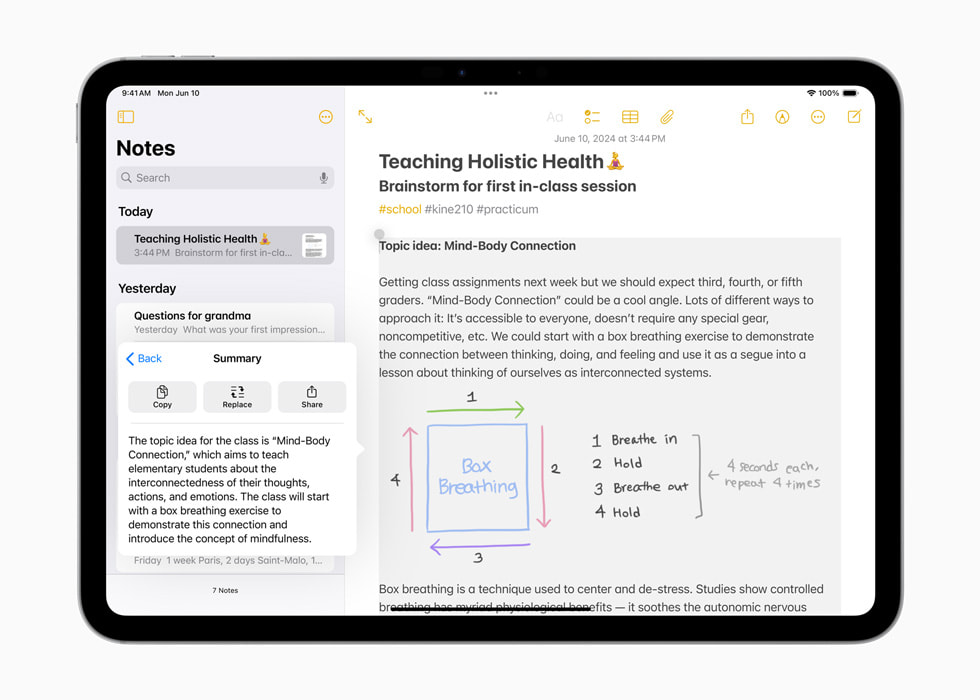
Siri itself gets Type to Siri and more natural answers, and it can hand harder questions to Qwen. What China does not get in this pass is the newest Siri AI layer that Western iOS 27 betas have been arguing about — the deeper personal assistant Apple has been demonstrating elsewhere. The familiar Apple Intelligence toolkit arrives first. The more intimate rebuild waits.
Why the partner matters
People outside China will read “Alibaba” and hear a brand story. Inside the product, the partner is the difference between a feature list and a blank settings switch. Writing Tools that can generate, Siri answers that go beyond the on-device model, Visual Intelligence that has to know a place — those jobs need a large model that is allowed to run for Chinese users. Qwen is that model for this launch.
That does not make Apple Intelligence in China a rebadged chatbot. Apple still frames the experience as its own: on-device features where it can, Apple’s interface, Apple’s privacy language. But the road to “more powerful” answers runs through someone else’s weights. For a company that spent a decade telling you the most important computer is the one in your hand, that is a quiet concession. Useful, regulated, and shared.
What to watch in December
Developer access is a rehearsal. Public iOS 27.3 in December is the real arrival — if the schedule holds. The questions that will follow are the ones Altomac News keeps asking about Siri AI everywhere else, only with a local accent: what leaves the device, what Qwen can see when Siri relays a request, and whether “Apple Intelligence” still means the same thing when the heavy lifting has a Chinese return address.
For now the news is simpler. The blank on the map has a date. The partner has a name. And Apple’s most important market finally gets a version of the AI story everyone else has been living with — rebuilt to fit the room it has to enter.
The final question
If the assistant in your pocket needs a local partner to speak your language under local law, whose intelligence are you trusting when you ask it something private — Apple’s, Alibaba’s, or the compromise between them?