
You bought an iPhone because Apple sold you artificial intelligence. Apple is paying now. It still will not say it got it wrong.
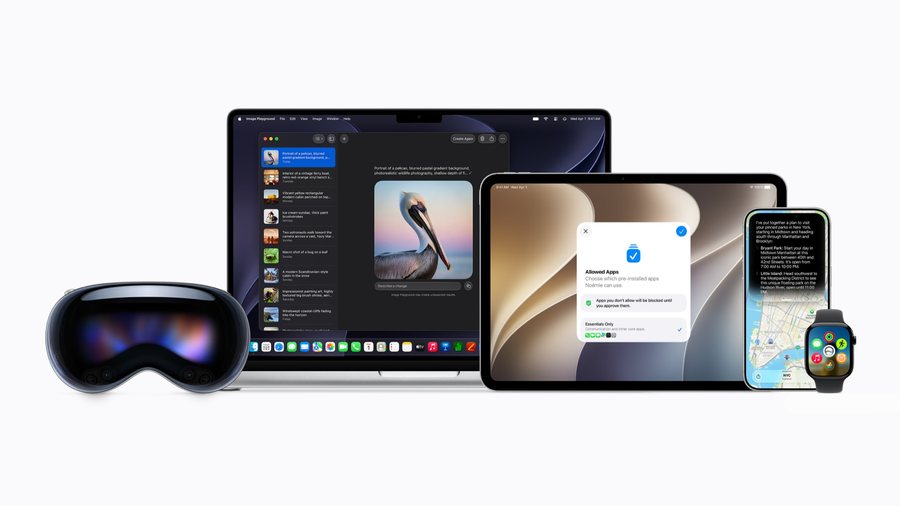
In 2024 the company wrapped a new generation of iPhones in a single pitch: Apple Intelligence. The ads and keynotes put a rebuilt Siri at the center of that story — smarter, more personal, available with the phones people were about to buy. Buyers who paid the premium for iPhone 15 Pro and the iPhone 16 lineup say they expected those Siri features at purchase. According to the lawsuit that followed, the features were not there when the boxes opened — or not in the form the marketing had sold.
U.S. customers sued over false advertising. Apple has now agreed to put $250 million into a settlement fund. Cupertino denies wrongdoing. The settlement is not an admission. That is Apple’s line. Read it as a buyer: the company keeps the message, keeps the brand, and writes a check large enough to close the case.
What was sold
Apple Intelligence was never only Writing Tools and photo cleanup. The campaign’s emotional center was Siri — a “dramatically enhanced” assistant, in the plaintiffs’ telling, presented as part of what you were buying when you chose those phones. The Better Business Bureau’s National Advertising Division later found that Apple’s “available now” language around Apple Intelligence conveyed that the updated Siri was available at launch when it was not. Apple later told customers that the deeper Siri overhaul would arrive on a later date.
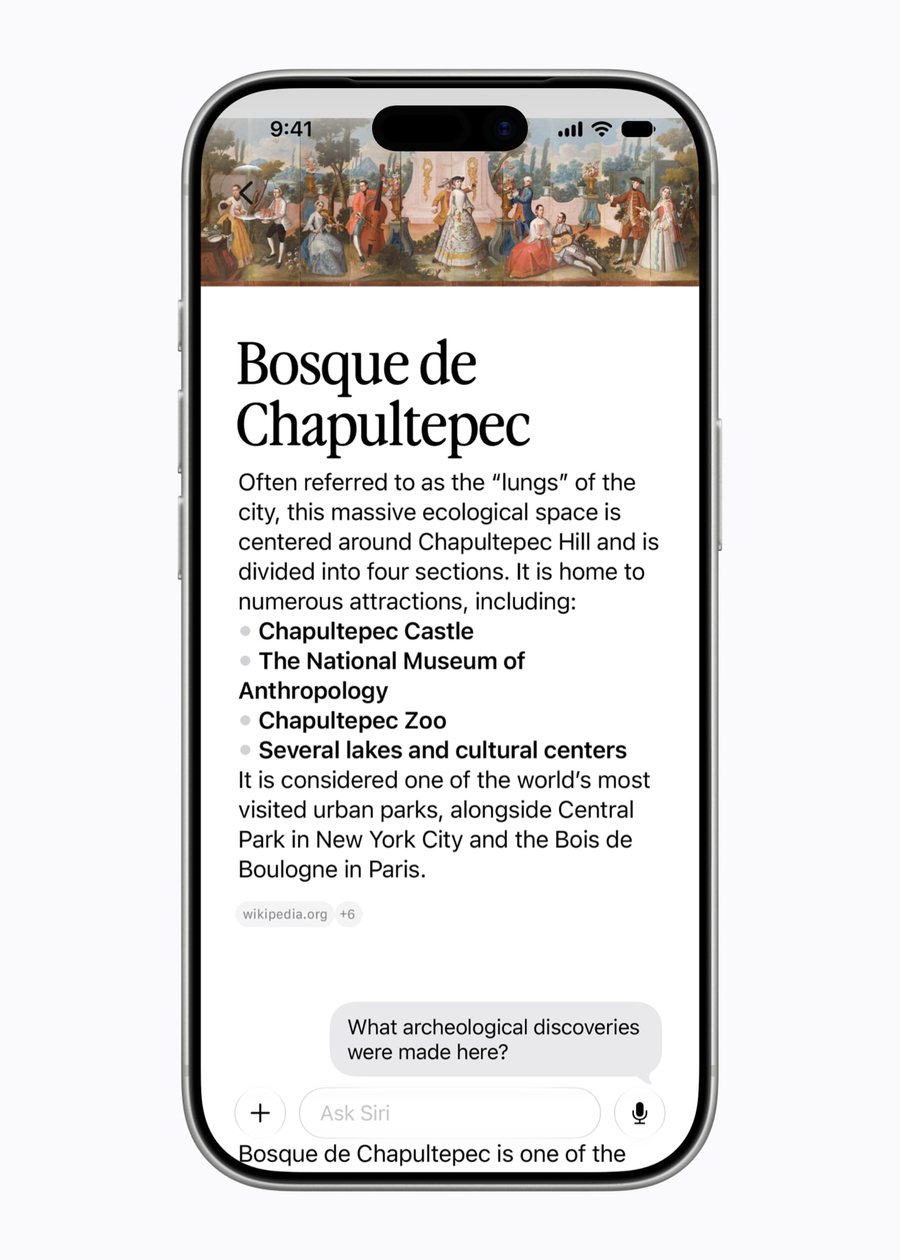
That gap is the whole case. Not whether AI is hard. Whether a price tag can ride on a future that is still in the lab.
What the settlement actually pays
Eligible devices, according to the settlement notice: iPhone 16, iPhone 16e, iPhone 16 Plus, iPhone 16 Pro, iPhone 16 Pro Max, iPhone 15 Pro, and iPhone 15 Pro Max. The purchase window is June 10, 2024 through March 29, 2025. You must have bought in the United States for personal use, not resale, and confirm you expected certain Siri Apple Intelligence features you did not receive.
Valid claims start at about $25 per device. The notice says that amount may rise or fall with claim volume, with a stated maximum of $95 per device after fees and costs come out of the $250 million pot. Claims must be submitted by December 21, 2026 at SmartphoneAISettlement.com.
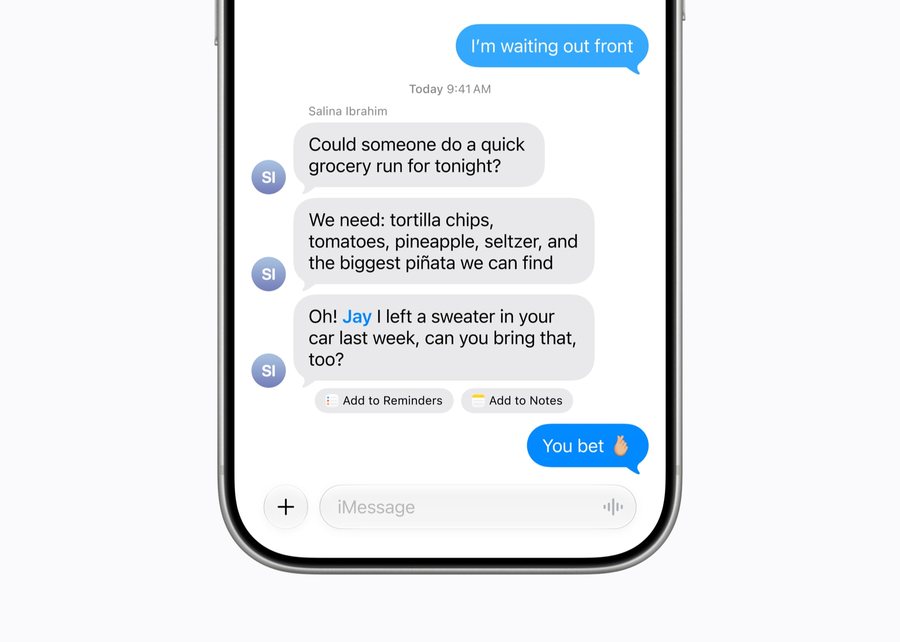
Outside the United States? Same keynotes. Same billboards. Same “Intelligence” language on the box. No check. The settlement is a U.S. class remedy, not a global refund for everyone who sat through the same pitch.
What the deal leaves out
Apple assures the public it did nothing improper. It still will not publish a plain apology for the gap between the ads and the software that shipped. The agreement does not restore the premium you paid for a feature that was late. It does not bind Cupertino to a public, dated guarantee of what Siri will do next — only the legal peace that comes with a fund and a claim form.
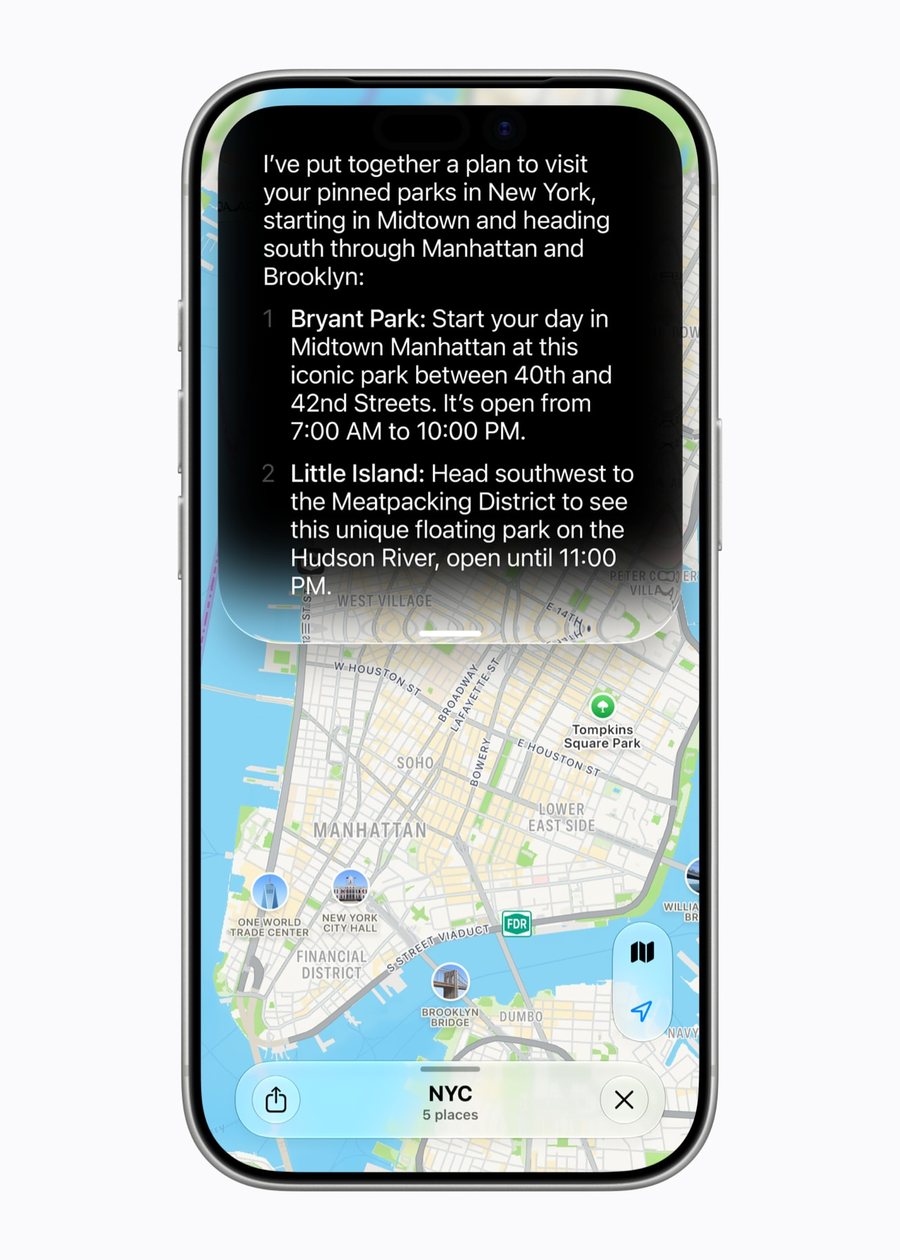
Wired and other outlets note that a fuller Siri AI experience has since begun reaching newer iPhones on later software. That may be progress for owners today. It does not rewrite what was advertised in 2024 and early 2025. Paying $25–$95 after the fact is not the same as delivering the product you were told you were buying.
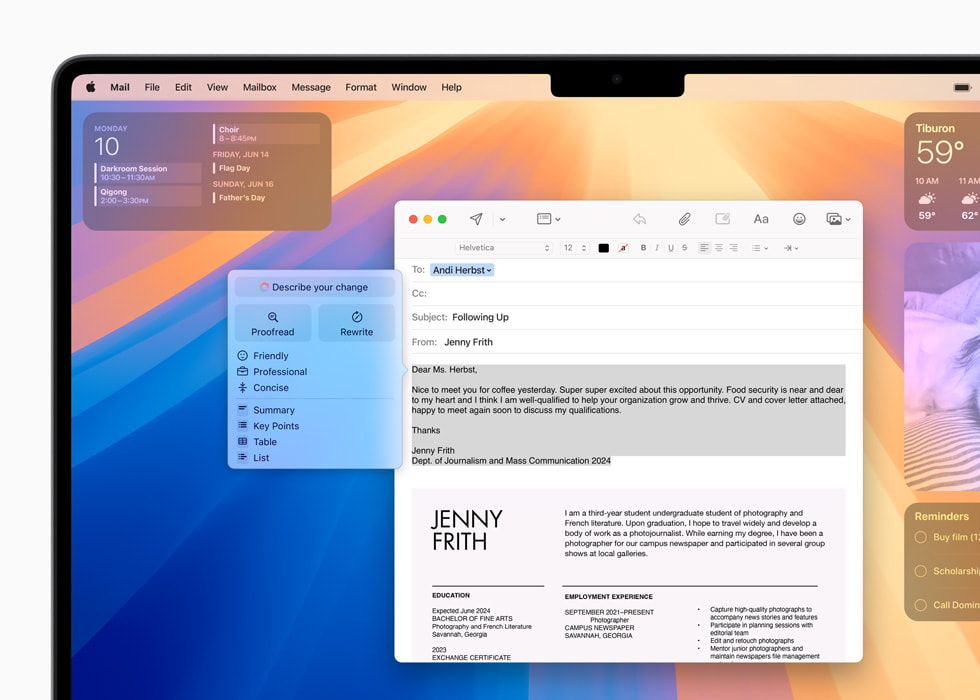
If you are in the U.S. and your phone qualifies, the practical move is simple: file before December 21 and keep your receipt or order history. If you are not: you still watched the same advertising, paid into the same brand premium, and receive no settlement dollars. That is the part cheerful headlines skip.
The final question
If Apple can settle for $250 million while insisting it never misled anyone, who is the payout really for — the people who bought the promise, or the story that the promise was always fine?