

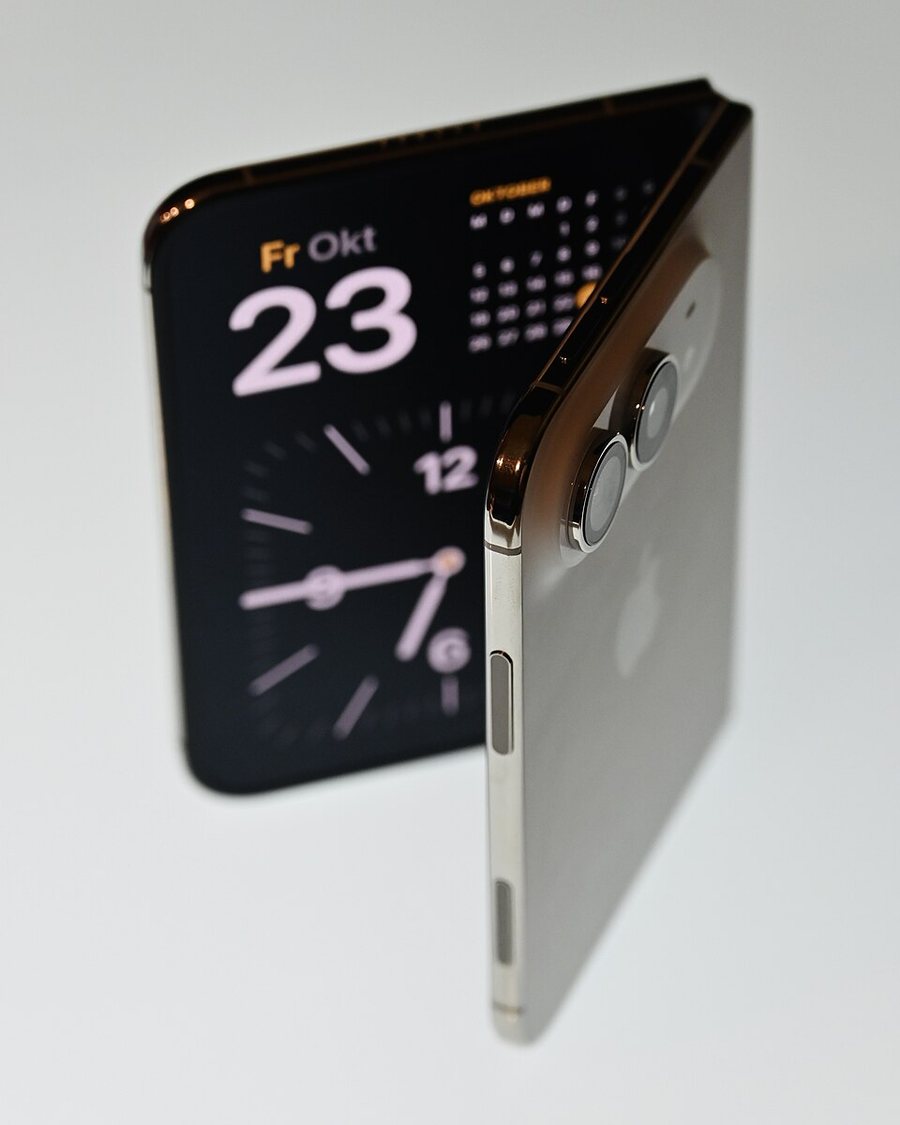
Open an iPhone Duo and some apps stretch across the inner display. Others sit in a black frame. The easy story is that developers “haven’t updated.” The other easy story is that Apple’s review queue is holding everything back. Neither story is enough on its own.
The honest answer for buyers is messier: some apps were never rebuilt for Duo. Some were rebuilt and sat in “Waiting for Review” while the phone was already in stores. And Apple’s own lists sometimes name titles that are not yet on the device in your hand.
What Apple wants you to hear
Cupertino sold the software story hard. Craig Federighi told the press the developer community would rise to Duo “very quickly.” At launch, Newsroom pointed to dozens of “incredible” experiences and a Made for iPhone Duo badge. By early November, Apple told the press that more than 100,000 apps built for Duo were live, with thousands more arriving each day.
That is Apple’s line: the hardware is shipping, the apps are coming, the Store is catching up. It does not put a separate number on how many Duo-ready updates are still stuck behind App Review, or how many popular titles have simply not been rebuilt with the iOS 27.1 SDK yet.
Many black bars are still on the developer’s side
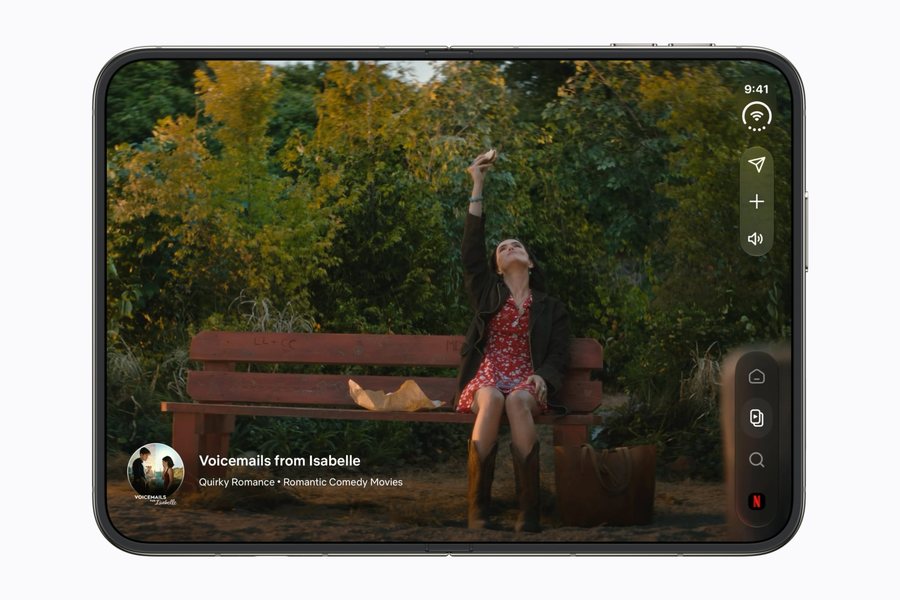
Heise’s reporting after launch is blunt: a lot of apps still show black bars because they were not built with the latest SDK. Rebuild with iOS 27.1 or later and the app can fill the displays and park controls in the vertical status bar. Stay on iOS 26 or earlier and the app floats in empty space. Land on iOS 27 without 27.1 and you get a partial fix.
That is not App Review holding a finished Duo build. That is a build that was never submitted as Duo-optimized — or not yet. Developers wait on ad and analytics SDKs, on corporate build pipelines, on fixing layout for the hinge and the right-edge controls. Indie teams often move first. Big brands often look late even when they ship other updates. Apple has said that from April 2027 new submissions will need Duo screenshots and at least the iOS 27 SDK. It has not said it will force the 27.1 bar that actually clears the black frame.
So if your Teams client, your bank app, or your delivery app still looks boxed in, the first question is not “is Apple sitting on the update?” It is “has anyone shipped a 27.1 build at all?”
When the work was done — and Review was not
The second clock is real too. The developer of Due documented submitting a Duo update three days before launch, then watching it sit more than five days in “Waiting for Review” while the phone went on sale. Featuring nomination, support ticket, expedited review — no human reply, he wrote. John Gruber’s review unit showed Due on the home screen in the older, non-optimized App Store build. Federighi had praised how fast developers would adapt. “We did,” the Due developer wrote. “App Review didn’t.”
That case matters because it was an update of an existing app — the kind of submission that usually clears faster than a brand-new listing. MacRumors forum threads asked the same question out loud: are Duo-ready updates slower than ordinary ones? Some developers said yes. Others kept shipping non-Duo updates on a normal pace. The pattern is uneven, not a clean embargo.
Apple’s list is not your Update button
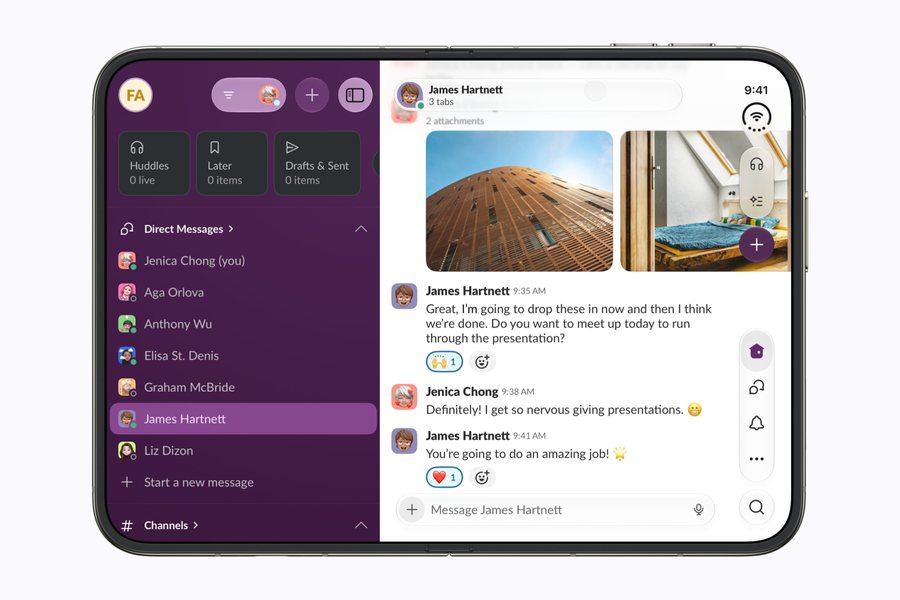
There is a third confusion. When Apple names titles as Duo-ready, some are already on the Store. Some are rolling out. TechCrunch noted Spotify still showing a black bar on a review Duo even after Apple included it in a “updated” roundup — with no update offered in the App Store yet. An announcement is not a binary on your phone.
Buyers cannot see App Store Connect. They see black bars, a badge that may or may not be there, and Cupertino’s assurance that more than 100,000 apps are already optimized. What they cannot see is which missing layout was never rebuilt, which one is sitting in review, and which one Apple named a week early.

What to take from the black frame
If an app still looks wrong on Duo, do not collapse the cause into one villain. Ask which clock failed:
- Developer clock — no 27.1 build yet; SDKs, layout work, or caution.
- Review clock — Duo update submitted, still Waiting for Review, or approved only after launch week.
- Press clock — Apple names the app before your Store page offers the build.
Apple assures everyone the ecosystem is moving fast. Owner reports and indie blogs keep showing the gaps that averages and Newsroom roundups skip. The Duo did not fail because “nobody updated.” It also did not fail only because “Apple won’t review.” Both delays are real. The person holding the phone just gets the black bars either way.
The final question
When Apple promises that developers will rise to a new iPhone “very quickly,” who is responsible for the weeks after launch — the teams still finishing the build, the review queue that will not say how long, or the marketing list that counts an app before your Update button does?